

How to Reduce Blood Pressure Naturally
- Hayley

- Apr 23
- 5 min read
High blood pressure is one of the most common health concerns worldwide. In the UK, around one in three adults has high blood pressure and in England alone, 31% of men and 26% of women have high blood pressure.
This is concerning because high blood pressure is often called the “silent killer” due to it rarely having any symptoms until it has already begun affecting their heart, blood vessels, kidneys, or brain. The only way to know you have the condition is to get your blood pressure measured.

As a naturopathic health coach, I believe in addressing the root causes of disease rather than simply masking symptoms. By understanding how blood pressure works and making sustainable changes to daily habits in their lifestyle and diet, many people can improve their cardiovascular health, lower their numbers naturally and increase their overall well-being.
What Is Blood Pressure?
Blood pressure is the force of blood pushing against the walls of your arteries as your heart pumps blood throughout your body.
A blood pressure reading has two numbers:
Systolic pressure: The top number, which measures the pressure in your arteries when your heart beats.
Diastolic pressure: The bottom number, which measures the pressure in your arteries when your heart rests between beats.
For example, a reading of 120/80 mmHg is considered normal for most adults.
General blood pressure categories include:
Normal: Below 120/80 mmHg
Elevated: 120–129 systolic and below 80 diastolic
High blood pressure (hypertension) Stage 1: 130–139 systolic or 80–89 diastolic
High blood pressure (hypertension) Stage 2: 140/90 mmHg or higher
How Blood Pressure Increases or Decreases
Blood pressure rises when your blood vessels narrow, stiffen, or when there is more fluid circulating in the body. Stress hormones, excess sodium, inflammation, poor circulation, obesity, lack of exercise, poor sleep, smoking, excessive alcohol use, and chronic stress can all contribute.
Blood pressure decreases when blood vessels are more relaxed and flexible, the heart is not working as hard, inflammation is lower, and the body maintains a healthy fluid balance.
Several factors can affect blood pressure day to day, including:
Salt intake
Hydration levels
Physical activity
Stress and anxiety
Sleep quality
Body weight
Hormonal changes
Certain medications
Caffeine and alcohol intake
Smoking or vaping
Why High Blood Pressure Is a Serious Health Issue
High blood pressure is often called the “silent killer” because it may not cause symptoms for many years. Over time, uncontrolled hypertension can damage the blood vessels and vital organs.
Potential complications of high blood pressure include:
Heart attack
Stroke
Heart failure
Kidney disease
Vision loss
Memory problems and cognitive decline
Erectile dysfunction
Damage to blood vessels throughout the body
Even mildly elevated blood pressure can increase long-term health risks if left unmanaged.
Natural Ways to Lower Blood Pressure
1. Reduce Sodium Intake

One of the most important dietary changes is lowering sodium intake. Too much salt can cause the body to retain water, increasing pressure on blood vessels.
Tips to reduce sodium include:
Limit processed foods, packaged snacks, canned soups, fast food, deli meats, and frozen meals
Read food labels carefully
Choose “low sodium” or “no added salt” options
Flavour food with herbs, garlic, lemon, vinegar, spices, and fresh ingredients instead of salt
Aim for less than 2,300 mg of sodium daily, and ideally closer to 1,500 mg if you have high blood pressure.
2. Eat More Potassium-Rich Foods
Potassium helps balance sodium levels and supports healthy blood vessel function.
Foods rich in potassium include:
Bananas
Avocados
Sweet potatoes
Spinach
Beans
Lentils
Yogurt
Salmon
Tomatoes
Coconut water
Increasing potassium can be especially helpful if your diet is high in sodium but do so in moderation and consult with a health professional (GP, dietitian, nutritionist etc.) if you are concerned about kidney disease, other medical conditions or on medications.
3. Follow a Whole-Food Diet
A naturopathic approach focuses on nutrient-dense, minimally processed foods.

Helpful foods for lowering blood pressure include:
Leafy greens
Berries
Oats
Nuts and seeds
Olive oil
Fatty fish rich in omega-3s
Beans and legumes
Garlic
Beets
Dark chocolate with high cocoa content
Green tea and hibiscus tea
The DASH diet (Dietary Approaches to Stop Hypertension) is one of the most well-researched eating patterns for blood pressure management. It emphasizes fruits, vegetables, whole grains, lean proteins, low-fat dairy, and reduced sodium.
4. Maintain a Healthy Weight
Carrying excess body weight can put added strain on the heart and blood vessels. Even modest weight loss can help lower blood pressure.
Research suggests that losing just 5% to 10% of body weight can significantly improve blood pressure readings and overall cardiovascular health.
5. Exercise Regularly
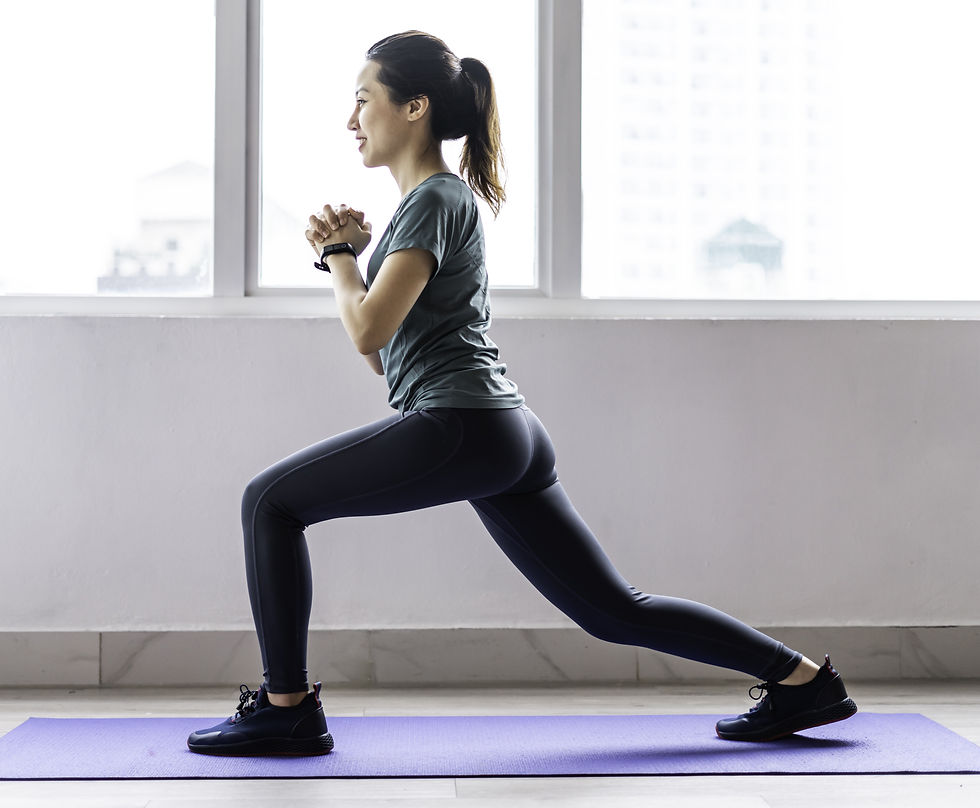
Regular physical activity helps strengthen the heart, improve circulation, reduce stress, and support healthy blood pressure.
Good forms of exercise include:

Walking
Swimming
Cycling
Strength training
Yoga
Pilates
Dancing
Hiking
Aim for at least 150 minutes of moderate exercise each week.
6. Manage Stress
Chronic stress can contribute to persistently elevated blood pressure through increased cortisol and adrenaline levels. Many people are not even aware stress comes in different forms and that they may be carrying stress in their body so I wrote a short blog about it here.
Natural stress-reduction practices include:
Deep breathing exercises
Meditation
Yoga
Journaling
Spending time outdoors
Reducing screen time
Practicing gratitude
Spending time with supportive people
Even five to ten minutes per day of intentional relaxation can help.
7. Improve Sleep Quality
Poor sleep and sleep disorders like sleep apnoea are strongly linked to high blood pressure. There's lots you can do to improve sleep, read more in my blog here.

Tips for better sleep include:
Go to bed and wake up at the same time daily
Limit screens before bedtime
Avoid caffeine late in the day
Keep the bedroom cool and dark
Practice a relaxing bedtime routine
The quality of sleep is important as well as the quantity. Aim for seven to nine hours of quality sleep each night.
8. Limit Alcohol and Quit Smoking
Excessive alcohol intake and smoking can both raise blood pressure and damage blood vessels. If you drink alcohol, do so in moderation. Quitting smoking is one of the most powerful steps you can take for your heart and overall health.
9. Stay Hydrated
Dehydration may contribute to higher blood pressure in some people because it can affect blood volume and circulation. Drink water consistently throughout the day and limit sugary drinks.
10. Consider Natural Supplements Carefully
Some supplements may support healthy blood pressure, although they should always be discussed with a qualified healthcare professional, especially if you take medication.
Examples include:
Magnesium
Omega-3 fish oil
Coenzyme Q10
Garlic extract
Hibiscus tea
Beetroot powder
Potassium (if recommended by a healthcare provider)
Natural does not always mean safe for everyone, especially if you have kidney disease, heart conditions, or are taking blood pressure medication so do speak to a qualified nutritionist or nutritional therapist before you start taking supplements.
When to Seek Medical Help
Lifestyle changes can be incredibly effective, but they are not a replacement for medical care. Anyone with consistently elevated blood pressure should speak with a healthcare professional for monitoring and guidance. Blood pressure readings above 180/120 mmHg require immediate medical attention.
It is also important not to stop prescribed blood pressure medication without consulting your doctor.
To summarise
Lowering blood pressure naturally is possible for many people through consistent, sustainable lifestyle changes. Small habits such as eating more vegetables, walking daily, improving sleep, and reducing stress can have a powerful effect over time.

Rather than focusing on perfection, aim for progress. Every healthy choice supports your heart, blood vessels, and long-term well-being.
If you’re feeling stuck or unsure about how to take the next step toward better health, I can help you.
Check out my private programmes here, or book a free exploratory chat to find out more.
References and Further Reading
Blood Pressure UK https://www.bloodpressureuk.org/news/media-centre/blood-pressure-facts-and-figures/
British Heart Foundation. https://www.bhf.org.uk/informationsupport/risk-factors/high-blood-pressure
World Health Organization. “Hypertension.” https://www.who.int/news-room/fact-sheets/detail/hypertension
National Heart, Lung, and Blood Institute. “DASH Eating Plan.” https://www.nhlbi.nih.gov/health/dash-eating-plan
Mayo Clinic. “10 Ways to Control High Blood Pressure Without Medication.” https://www.mayoclinic.org/diseases-conditions/high-blood-pressure/in-depth/high-blood-pressure/art-20046974
Harvard Health Publishing. “6 simple tips to reduce your blood pressure.” https://www.health.harvard.edu/healthy-aging-and-longevity/6-simple-tips-to-reduce-your-blood-pressure


Comments